 Gensta.ai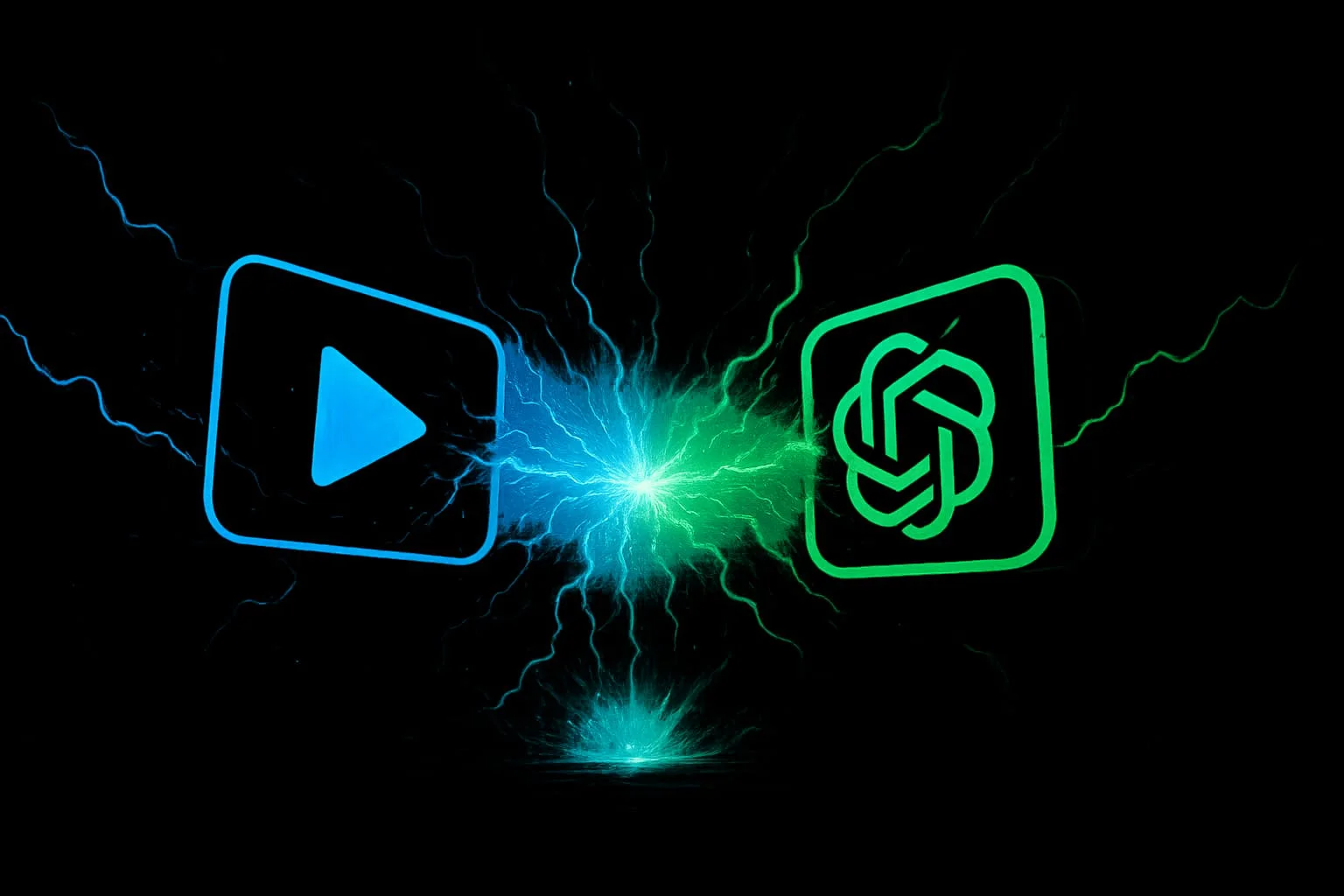
Veo 3.1 vs Sora 2: Comparing the Best AI Video Models of 2026
Google Veo 3.1 vs OpenAI Sora 2 — the two flagship AI video models of 2026 face off. We compare quality, speed, audio, and accessibility to help you choose.
Veo 3.1 and Sora 2: Two Flagships of AI Video Generation
In 2026, the AI video market is led by several heavyweights. Veo 3.1 from Google DeepMind and Sora 2 from OpenAI are the two main contenders for top professional use.
Both are built by tech giants with massive resources. Both generate cinematic-quality video. Both support native audio. Yet they differ significantly — in their strengths, weaknesses, and ideal use cases.
We compared both models across six parameters: video quality, prompt adherence, native audio, video length, accessibility, and cost.
Veo 3.1: Google DeepMind's Advantages
Veo 3.1 wins in several key categories.
Audio — the main advantage. Native 48kHz audio synchronized with the video track — Veo 3.1 does this better than Sora. Atmospheric sounds, musical backgrounds, and sound effects are organically integrated into the video stream.
Prompt adherence. In professional tests, Veo 3.1 interprets complex multi-condition prompts more accurately. Specific lighting, angle, and motion instructions are followed more precisely.
Accessibility. Veo 3.1 is available through Gemini API without requiring a $200/month ChatGPT Pro subscription — more accessible to a wider audience. On Gensta.ai, Veo 3.1 is available via the credit system.
Resolution. On Gensta.ai Veo 3.1 goes up to 1080p; Sora 2 is 720p, Sora 2 Pro up to 1080p.
Try on Gensta.aiSora 2: OpenAI's Advantages
Sora 2 wins in other areas.
Human emotions and expressions. People in Sora 2 look more natural — subtler facial expressions, better emotion rendering, more organic micro-movements. Visible when comparing portrait scenes.
Complex physical interactions. Sora 2 models object physics better, especially when multiple elements interact. Liquids, fabric, collisions — Sora handles these more convincingly.
Video length. Sora 2 / Pro generates up to 12 seconds; Veo 3.1 generates 8 seconds. Important for narrative content.
Narrative coherence. For scenes with a storyline arc — beginning, middle, end in one clip — Sora 2 delivers more consistent narrative flow.
Sora 2 Pro further improves all these parameters and adds higher-quality native audio with dialogue support.
Try on Gensta.aiFinal Verdict: What to Choose and When
Quick summary by use case.
Choose Veo 3.1 if: you need audio (music, atmosphere), prompt accuracy is crucial, you want audio on/off control, you're working with API or want fewer restrictions.
Choose Sora 2 if: you're creating content featuring people and emotions, you need length beyond 8 seconds, physical accuracy matters, you're making narrative content.
Choose Sora 2 Pro if: producing brand image advertising or professional video content, you need dialogue in the video, budget allows premium quality.
Best advice: try both on the same prompt. On Gensta.ai, both are available — the comparison takes 5 minutes and will inform your choice better than any review.
All articles
Gensta Academy: learn to create AI video
Turn a photo into a film: a studio reference, narration, Seedance 2.5 and restrained editing. A practical starting point for beginners.
GPT Image 2.5: turn your photo into a comic and edit images
Sunburst and Flare in Gensta: choose a variant, upload photos and generate 1–4 images. Start with a personal comic, a greeting card or a product photo.
Video Generation API: Add AI Video to Your Product
How a video generation API works: competitive prices, current models, async jobs, and pay-as-you-go billing. What you need before the first request.