 Gensta.ai
How Image-to-Video Works: The Technology Behind AI Photo Animation
Image-to-video is the technology that turns still photos into video. We explain how I2V neural networks work, how they differ from text-to-video, and how to get the best results.
What Is Image-to-Video and How It Differs from Text-to-Video
Image-to-video (I2V) is a class of AI models that take an image as input and generate a short video where that image comes to life. The technology answers: "if this scene continued, what would it look like?"
The difference from text-to-video (T2V) is fundamental. In T2V, the model creates a scene from scratch based on a text description. In I2V, the model takes your existing scene (your photo) and animates it. This gives far more control over the result — you know exactly who and what will appear in the video.
Practical implication: I2V is more reliable than T2V for personalized content. Want a video with a specific person, place, or product — upload the photo and animate it. T2V might produce a 'similar' person; I2V preserves your exact original scene.
How Image-to-Video Neural Networks Work Technically
Modern I2V models are built on diffusion architecture with cross-frame attention mechanisms. Simplified, the process works as follows.
Step 1. Image encoding. The model 'deconstructs' your photo into semantic components: objects, positions, lighting, textures, spatial relationships.
Step 2. Prompt understanding. If you added a text description, the model maps it to elements in the image.
Step 3. Frame generation. The model creates a sequence of frames where each represents one 'step' of animation. Temporal consistency mechanisms ensure objects don't 'jump' between frames and physics looks believable.
Step 4. Rendering. Frames are assembled into a video stream. High-quality models (Kling, MiniMax, Sora) deliver 24–30 fps with smooth transitions.
What Determines I2V Animation Quality
Several factors determine how good the result will be.
Source image quality. A sharp, well-lit photo at high resolution (minimum 512×512, ideally 1024×1024+) gives significantly better results. Blurry or dark photos introduce artifacts.
Scene complexity. A single object on a neutral background animates much better than a complex scene with ten elements. Start with simple frames.
Prompt specificity. "Person moves" is a vague instruction. "Woman slowly turns her head right, smiles, hair moves slightly" is specific. Describe speed, direction, and character of movement.
Model selection. Kling Motion Control for people, MiniMax for general scenes, Wan 2.5 for art, Sora 2 for complex cinematic scenes.
Try on Gensta.aiI2V vs T2V: Which to Choose for Your Needs
Simple rule: if you have a specific visual, use I2V. If you're creating from scratch, use T2V.
Use image-to-video when: animating a specific photo or portrait, creating product video from a product photo, animating illustrations or artwork, making dance videos with Kling Motion.
Use text-to-video when: creating video entirely from imagination, you need a specific scene that doesn't exist in a photo, quickly exploring different visual concepts.
Both technologies work in tandem. Professional workflow: first generate the perfect frame via text-to-image (Nano Banana, Midjourney), then animate it through I2V. This gives maximum control over the result.
All articles
How to Animate a Photo with AI: Step-by-Step Guide 2026
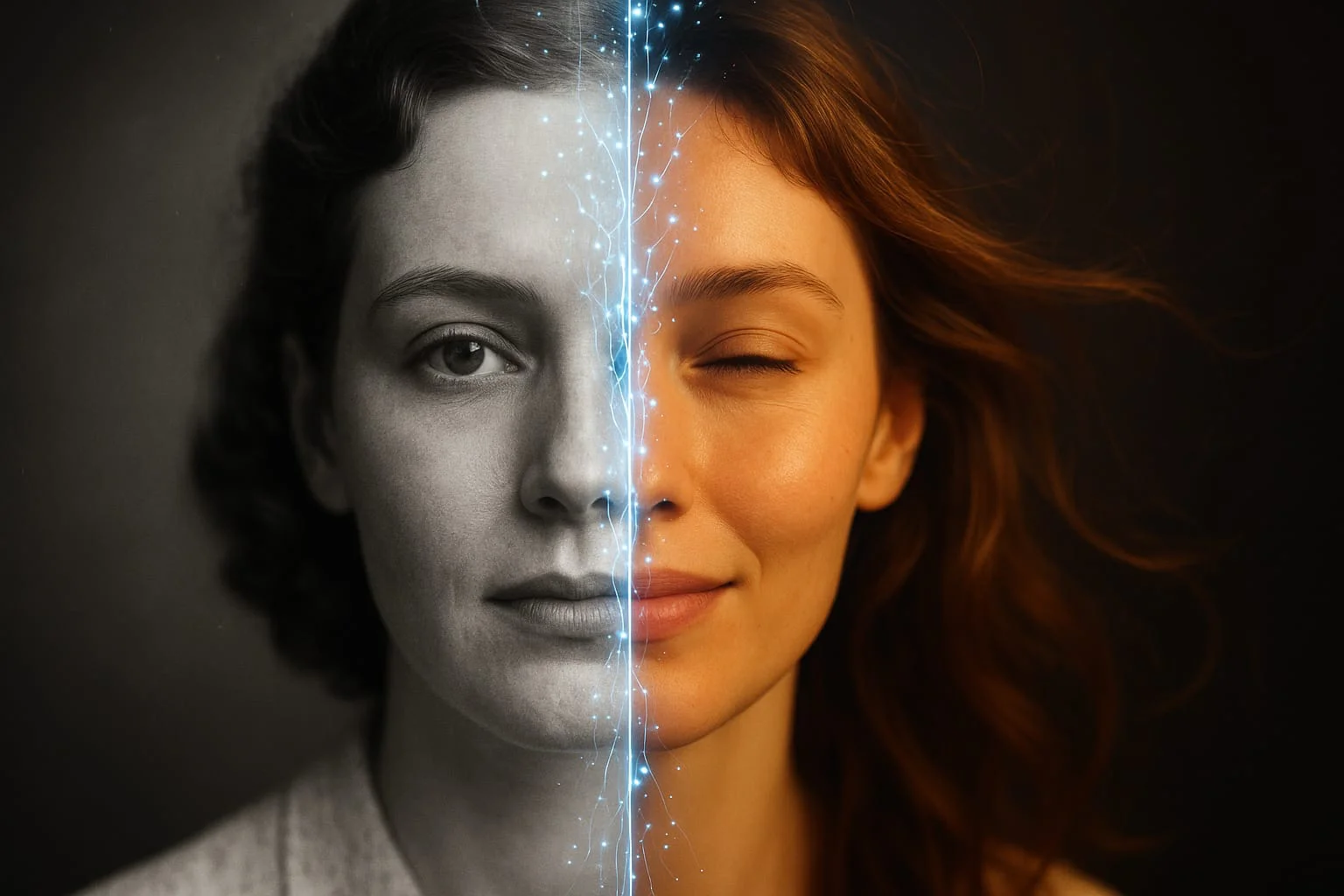
Animating photos with AI is one of the most popular creative trends in 2026. Learn how to turn any still image into a living video in just a few minutes.
AI Video Generation: A Complete Guide to Neural Networks in 2026
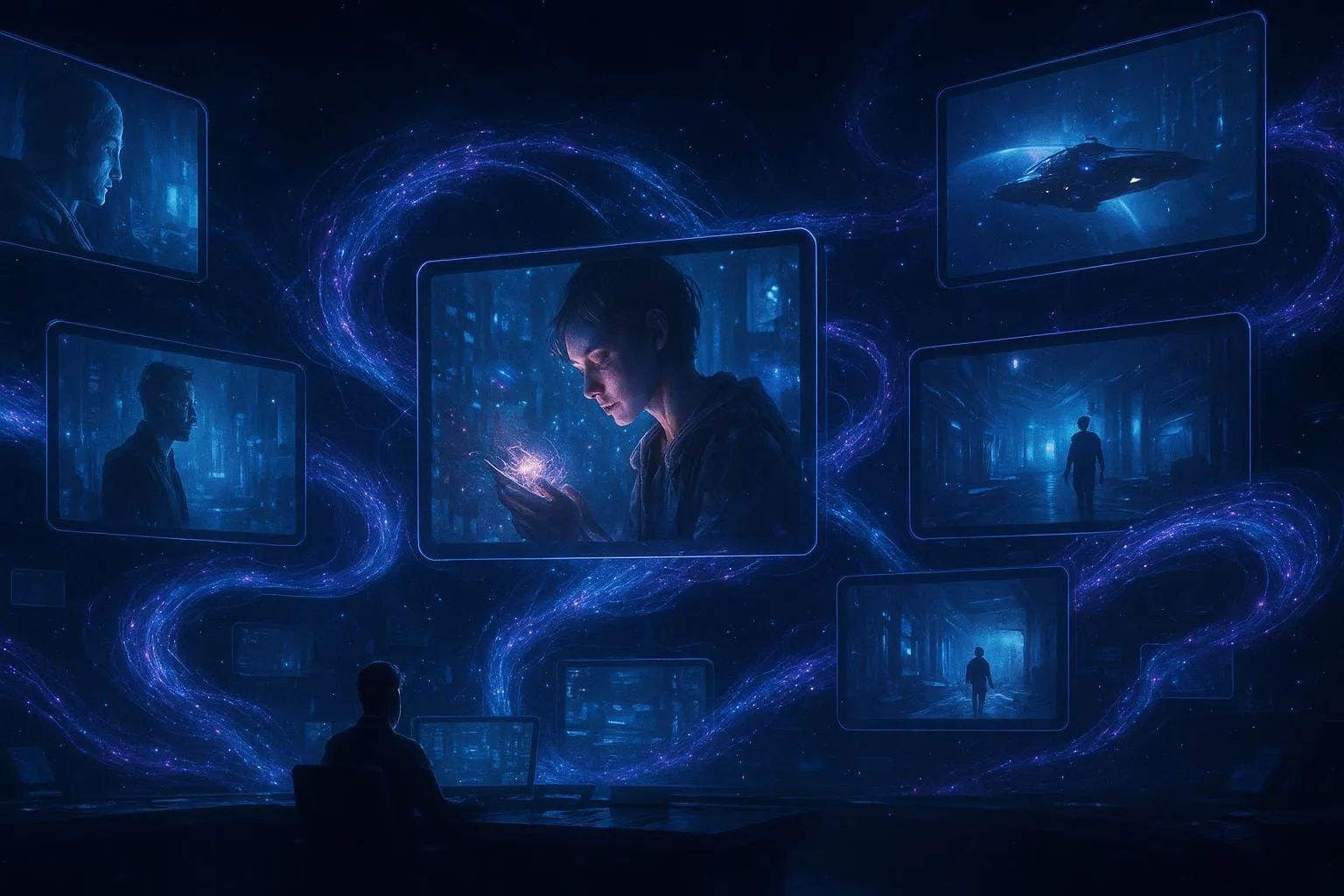
An overview of all available neural networks for generating video from text and images. Which model to choose, pricing, and how to achieve professional results.
Sora 2 vs Veo 3.1 vs MiniMax 2.3: Comparing AI Video Models
A detailed comparison of three of the most popular AI video generation models. Quality, speed, pricing, and when to choose which model.