 Gensta.ai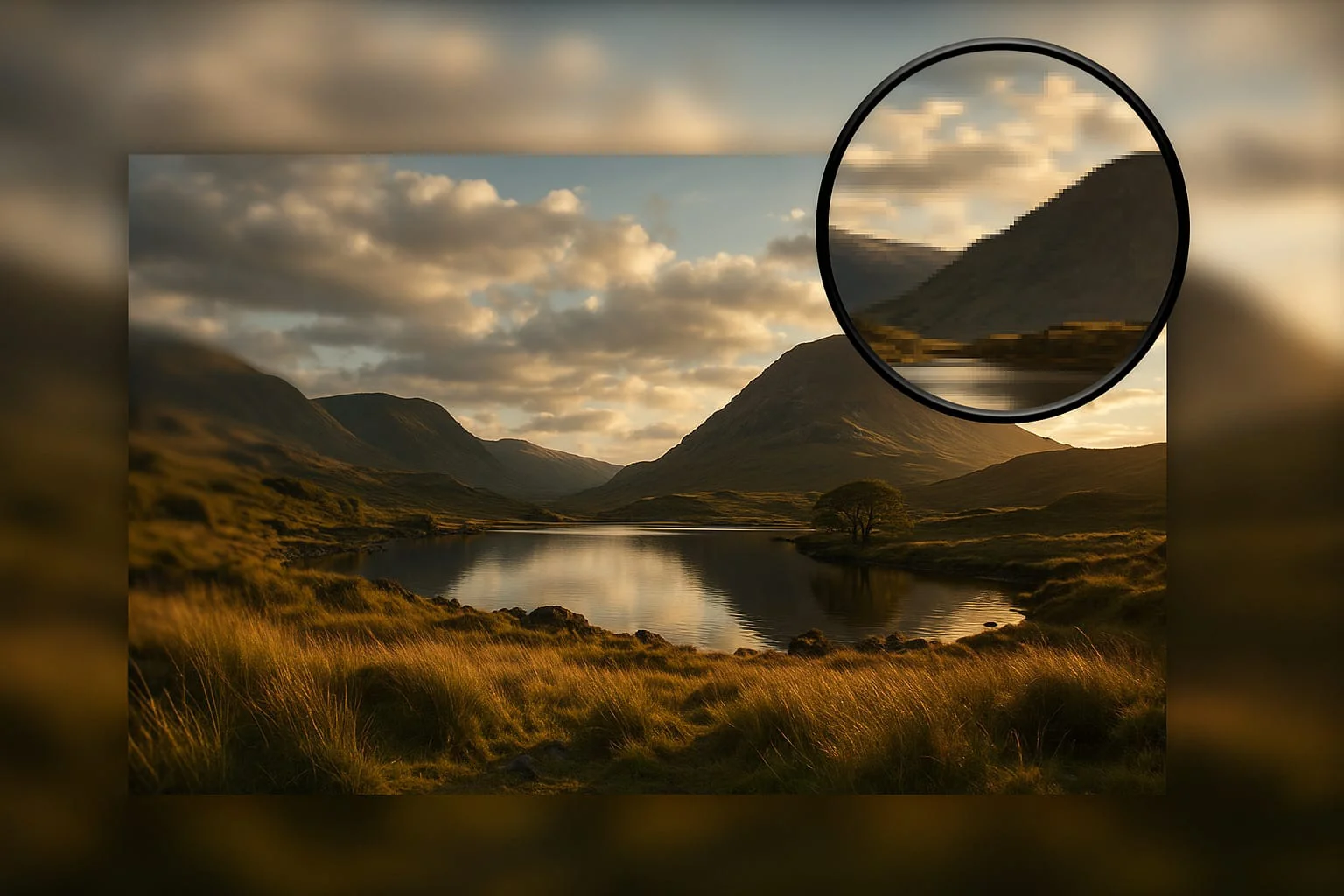
4K AI Video Generation: Which Models Support High Resolution in 2026
In 2026, several AI models generate video in 4K resolution. We cover which models support HD generation, what the differences are, and when high resolution is worth the extra cost.
Why 4K Resolution Matters for AI Video
Video resolution directly affects usability. 480p — for testing and previews. 720p — workable for social media. 1080p — the standard for ads and publishing. 4K — for professional production, large screens, and content that will be scaled.
In 2026, the AI video market has split: most models generate at 720p–1080p; a few flagship models support 4K. The price and generation time difference is significant — 4K generation is 2–3x more expensive and slower than 1080p.
When 4K is justified: video ads for TV and digital signage, cinema screen content, video that will be cropped (one 4K clip can yield multiple 1080p fragments), and archival content.
Which AI Models Generate 4K Video
In 2026, the following models support native 4K generation.
Veo 3.1 — the resolution leader among commercial models. Google DeepMind released Veo 3.1 with native 4K support in January 2026, including vertical 4K (2160×3840) for Shorts and Reels at maximum quality. Plus native 48kHz audio.
Sora 2 Pro — native 1080p, 4K via upscaling. OpenAI prioritizes detail quality over resolution — 1080p from Sora 2 Pro is visually comparable to 4K from less detailed models. Best compromise for most needs.
MiniMax 2.3 — maximum 1080p, but very fast. Optimal for high-volume HD content production.
Wan 2.5 — up to 720p, but open-source with minimal restrictions. For artistic content, resolution is less critical.
Try on Gensta.ai4K Video for Advertising and Professional Content
For professional use, 4K AI video opens specific opportunities.
OOH and digital signage. Screens in shopping centers, streets, and airports run at 4K. AI generation in 4K enables content for these formats without expensive filming.
Previsualization and concept presentation. Architects, designers, and producers use 4K AI video for client presentations — quality is sufficient for professional showings.
Cropping and repurposing. One 4K video can yield: one 4K version for YouTube, three 1080p versions for different platforms, and five 720p frames for social media — significant time savings.
Future-proofing. Display technology keeps improving. 4K content created today will remain usable longer than 1080p.
Try on Gensta.aiPractical Choice: 1080p or 4K for Your Needs
Simple resolution selection guide.
Choose 1080p (MiniMax, Sora 2) for: social media, digital ads, most digital tasks, rapid concept testing, high-volume content production.
Choose 4K (Veo 3.1) for: large screen advertising, professional presentations, content with planned cropping, YouTube 4K channel, when quality is the primary criterion.
Important: resolution is not the only quality indicator. Sora 2 Pro at 1080p often looks better than less detailed models at 4K, thanks to higher frame detail and better texture processing.
Gensta.ai gives you access to all key models — choose based on the task, not just maximum resolution.
All articles
How to Animate a Photo with AI: Step-by-Step Guide 2026
Animating photos with AI is one of the most popular creative trends in 2026. Learn how to turn any still image into a living video in just a few minutes.
AI Video Generation: A Complete Guide to Neural Networks in 2026
An overview of all available neural networks for generating video from text and images. Which model to choose, pricing, and how to achieve professional results.
Sora 2 vs Veo 3.1 vs MiniMax 2.3: Comparing AI Video Models
A detailed comparison of three of the most popular AI video generation models. Quality, speed, pricing, and when to choose which model.